- 0
- 350 words
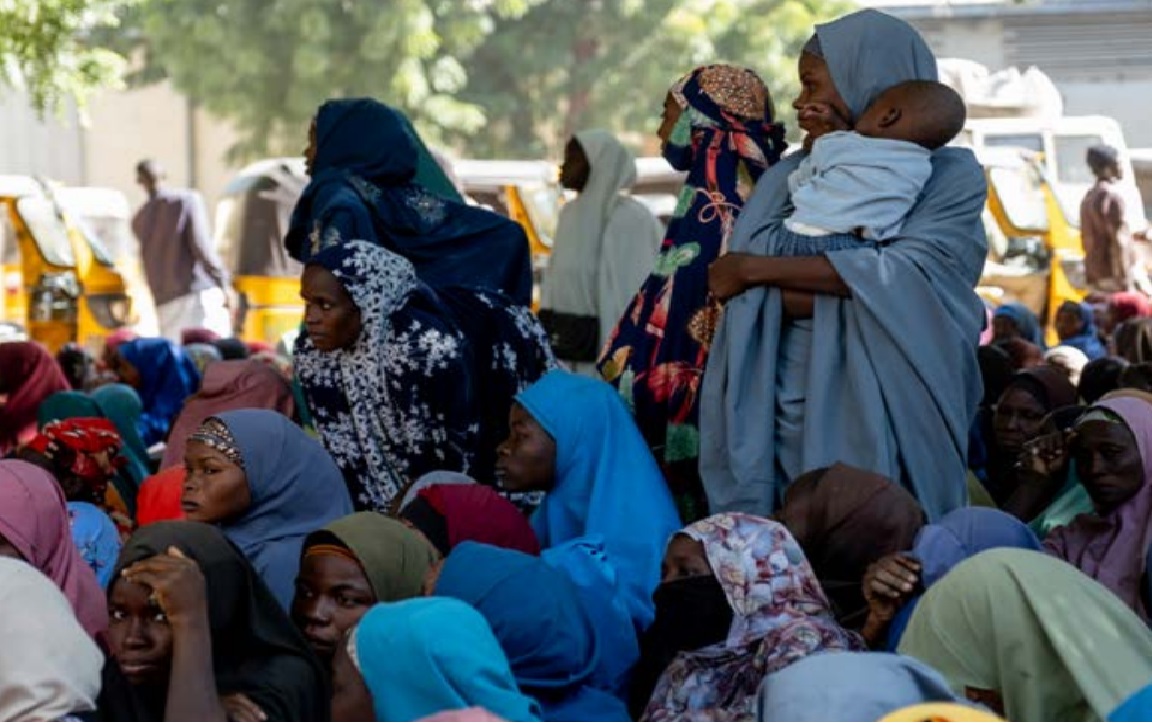
The north-east of Nigeria, constituting the (BAY states) – Borno, Adamawa and Yobe is a conflict zone. Insurgency in the region drives poverty to alarming rates, so much so that the people require humanitarian efforts to survive.
Life in the north-east is further characterised by constant fear, insecurity and extensive population displacement.
Insurgency is, however, not the only cause of the hunger situation in the northeast of Nigeria. Reports show that climate shocks and economic instability do not make situations easy, especially in the lean season, May to September.
The Food Crises in North-Eastern Nigeria in Numbers
Humanitarian challenges in Nigeria exist in certain regions for a reason. The people in the region are generally poor and their main source of livelihood is subsistence farming. Their situations are worsened by the constant disruption of agricultural fields by various agents, including floods. In 2024, 1.3 million hectares of farmland in the region were flooded in the middle of the harvest.
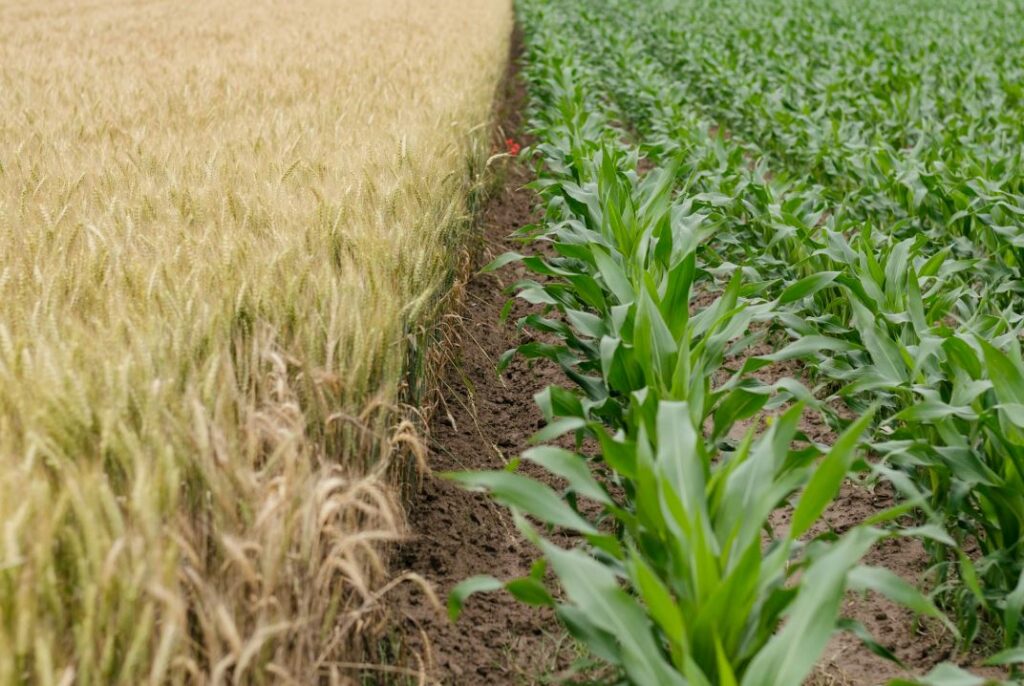
The result was a massive production loss.
- Around 1.1 million tonnes of maize, sorghum and rice, amounting to almost US$ $1 billion, were lost to flooding. This number could feed 13 million people for a year.
The northeast is not alone; the northwest Katsina, Zamfara and Sokoto saw similar crises that now make them vulnerable to hunger and food scarcity in 2025. In the last quarter of 2024, the post-harvest period.
- An estimated 9 million people from the northwest fell into the food insecure zone. About 3,9 million are from Sokoto, Katsina and Zamfara.
The 2025 projection by Cadre Harmonisé (CH), is not looking good either. Due to constant conflict and economic disasters, the peak of the 2025 lean season, about 5.1 million people living in the BAY states will be food insecure. This will be exacerbated by climate change.
The numbers are further distributed as;
- 32% girls
- 28% boys
- 19% women
- 15 % men
- 2% of elderly women
- 3% of elderly men
Furthermore, the lean season in Nigeria in 2025 is expected to push the number of food-insecure people up, with the north-west feeling the effect as well.
- Kaduna – 2.3 million
- Kano – 2 million
- Katsina 2.1 million
Author

ngene.christina@gmail.com
Related Posts

Nigerian Firms Expand Footprint, Create Jobs in the UK With Investments, Even as Unemployment Persists at Home
- 0
- 619 words
For many observers, the moment reflects both progress and paradox, an economy exporting innovation, capital and talent, while still grappling with the...
Read out all
Tinubu Approves Fiscal Incentives for Shell’s Bonga South-West Aparo Deepwater Project
- 0
- 439 words
If the final investment decision proceeds as expected, the Bonga South-West Aparo project could mark one of the largest deepwater investments in...
Read out all
Iran Sponsors Terrorism in Nigeria, Israel Claims, US Warns Citizens to be Alert
- 0
- 433 words
Iran’s history of supporting militant groups was widely documented and could not be dismissed through public denials.
Read out all
Lebara, New Entrant in Nigeria’s Telecoms Sector to Boost Competition
- 0
- 450 words
Lebara Nigeria is an MVNO newcomer blending localized telecom services with digital innovation and extra value-added offerings. It is poised to challenge...
Read out all
Nigeria Nears Full Membership of Global Palm Oil Council
- 0
- 516 words
With global demand for palm oil continuing to rise, Nigeria’s next steps could determine whether it reclaims its historic prominence in the...
Read out all
Military Highlights Return of Displaced Residents in Borno as UK-based Media Team Visits
- 0
- 322 words
Humanitarian organizations often warn that premature returns to unsafe areas could expose civilians to renewed attacks or inadequate services. International media reporting...
Read out all